The Future of the Mailroom: Innovations and Trends Shaping Tomorrow's Operations
The mailroom has long been a vital part of business operations. It handles everything from incoming packages to outgoing shipments, ensuring communication and goods flow smoothly. But the mailroom is changing fast. New technologies and smarter processes are reshaping how mailrooms work. These changes help businesses save time, cut costs, and improve accuracy.
In this post, we will explore the key innovations and trends shaping the future of mailrooms. W. Kain & Company shares examples of products that support these changes, helping organizations stay ahead in a competitive world.

Automated mail sorting machines speed up processing and reduce errors.
How Automation is Changing Mailroom Operations
Automation is one of the biggest forces transforming mailrooms today. Machines and software now handle many tasks that used to require manual work. This shift improves speed and accuracy while freeing staff to focus on more complex duties.
Automated Sorting and Tracking
Modern mailrooms use automated sorting machines that scan barcodes or RFID tags on packages and letters. These machines quickly sort items by destination or department. This reduces the chance of human error and speeds up delivery within the organization.
Tracking systems also play a key role. They provide real-time updates on where each item is in the process. This transparency helps mailroom managers spot delays and improve workflow.
Digital Mailrooms
Some companies are moving toward digital mailrooms. Instead of physically handling every piece of mail, incoming documents are scanned and converted into digital files. These files can be routed electronically to the right person or department.
Digital mailrooms reduce paper clutter and speed up communication. They also make it easier to store and retrieve documents securely.
The Role of AI and Software in Mailroom Efficiency
Artificial intelligence (AI) and smart software are becoming essential tools in mailroom management. They help analyze data, predict trends, and optimize operations.
AI for Sorting and Routing
AI-powered systems can recognize patterns in mail volume and types. They suggest the best way to route mail based on past data and current priorities. This reduces delays and ensures urgent items get priority.
Software for Cost Control
Mailroom software tracks postage costs, package sizes, and shipping methods. It helps businesses choose the most cost-effective options. This is especially important for companies that send large volumes of mail or packages.
Example: W. Kain & Company’s AI-Assisted Shipping and Mailing Consulting
W. Kain & Company consults businesses on affordable, easy to deploy software that helps businesses manage shipping and mailing costs. The tools analyze shipping data to find savings opportunities and improve operational governance.
By using such software, mailrooms can reduce waste and avoid overspending on postage or courier services. This aligns with the goal of cutting costs while boosting efficiency.
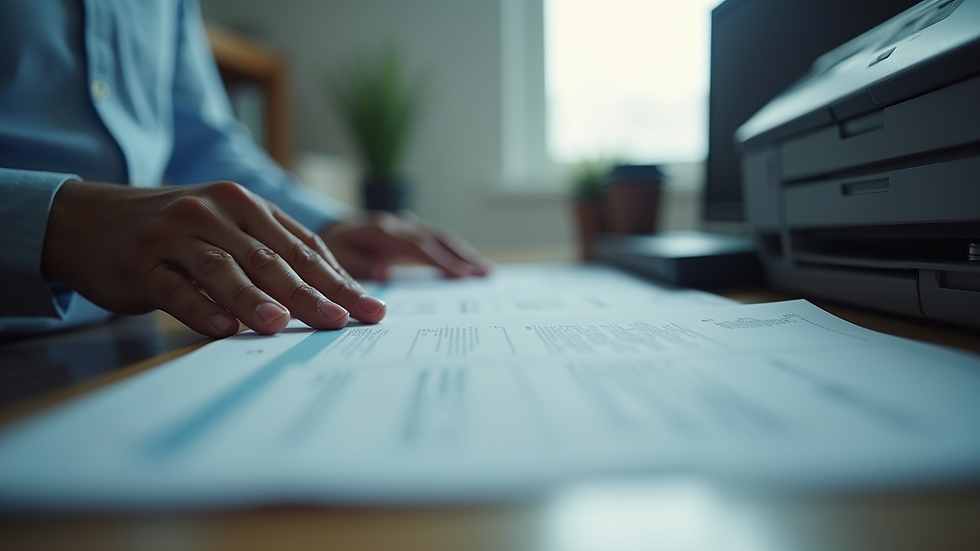
Digital mailrooms convert physical mail into electronic files for faster processing.
Sustainability and Green Practices in Mailrooms
Sustainability is a growing concern for many organizations. Mailrooms are no exception. Businesses want to reduce waste and lower their environmental impact.
Reducing Paper Use
Digital mailrooms help cut down on paper by scanning and storing documents electronically. This reduces the need for printing and physical storage space.
Eco-Friendly Packaging
Mailrooms are also adopting eco-friendly packaging materials. These include recyclable or biodegradable envelopes and boxes. Choosing greener options supports corporate social responsibility goals.
Energy-Efficient Equipment
New mailroom machines are designed to use less energy. This helps reduce the carbon footprint of mailroom operations.
Security and Compliance in Modern Mailrooms
Security remains a top priority. Mailrooms handle sensitive information and valuable items. Protecting these assets is critical.
Secure Mail Handling
Advanced tracking systems ensure that mail is accounted for at every step. Some solutions include tamper-evident packaging and secure access controls.
Compliance with Regulations
Mailrooms must comply with data protection laws and shipping regulations. Software tools help ensure that mail handling meets these requirements.
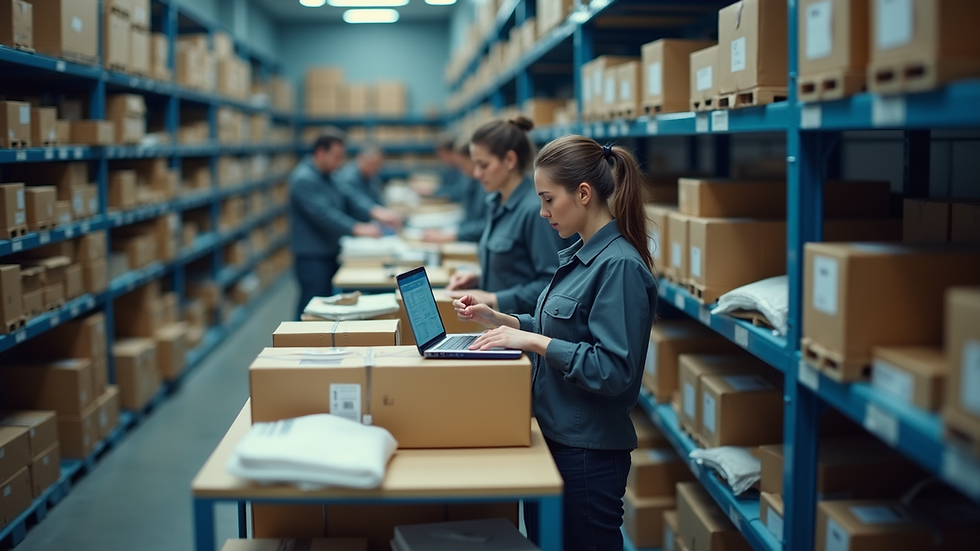
Secure package tracking systems help protect sensitive mail and ensure compliance.
Preparing for the Future: What Mailrooms Need to Do
The future mailroom will be faster, smarter, and greener. To keep up, organizations should:
Invest in automation and digital tools
Use AI software to analyze and improve operations
Adopt sustainable materials and practices
Strengthen security and compliance measures
By taking these steps, mailrooms can become a strategic part of business success.
The mailroom is no longer just a place to sort and send mail. It is evolving into a hub of efficiency and innovation. With the right tools and mindset, mailrooms can help businesses save money, improve service, and support sustainability goals.
If you want to learn more about how to modernize your mailroom, consider exploring consulting services from experts like W. Kain & Company. They show how technology can transform mailroom operations for the better.
The future of the mailroom is bright. It’s time to embrace the changes and build a mailroom and shipping operations that works smarter for your business.



Comments